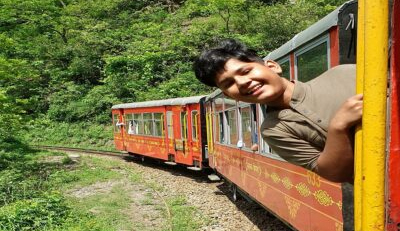
Whilst being the largest state in India by area it is only the 10th largest by population due to it being dominated by the inhospitable Thar desert where temperatures rise to over 50 degrees at the height of summer in June. Rich in culture, crafts, architecture and culinary delights such as the Ker Sangri a regional dish made from wild dried ker berry and sangri beans. Rajasthan is an absolute delight for visitors of all ages and interests.
Places to Visit
1. Jaipur
Jaipur is also known as the ‘Pink City’ having been stuccoed pink as a welcoming sign of hospitality for the arrival of Prince Albert (later became Edward VII). The city was established in 1727 by Jai Singh II and designed in 6 blocks on the priniples of Vastushastra.
Amer Fort/Amber Fort – a UNESCO World Heritage Site perched on top of a hill on the outskirts of Jaipur. There has been a site there since 967AD during the Chanda Dynasty. Within the fort the palace was built in 1599AD by Raja Man Singh and is mainly in the Rajput architectural style though with some buildings heavily influenced by Murghal architectural design too. The palace is connected by a subterranean passageway leading to the nearby Jaigarh Fort as an escape route for royalty during times of invasion.
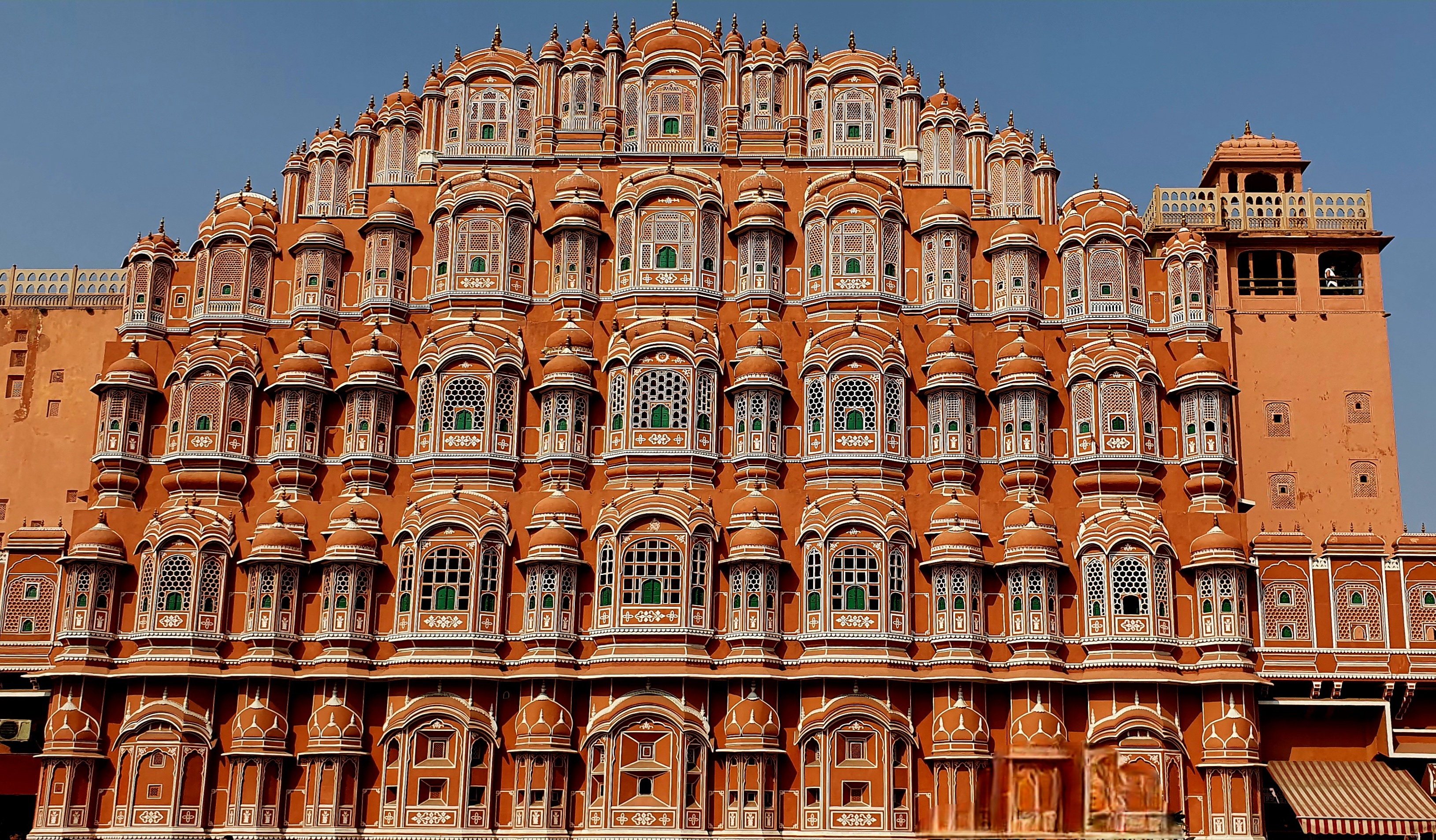
Hawa Mahal ‘Palace of Winds’ – a UNESCO World Heritage Site in the centre of Jaipur was completed in 1799AD by Maharajah Sawai Pratap Singh and designed by Lal Chand Ustad in the Hindu/Rajput style. It is believed to be the tallest building in the world with no foundations and is distinctive for its venturi effect which allows for cool air to passthrough its 953 small windows (jhakoras)
Jal Mahal ‘water palace’ – Built in 1799 by Maharajah Sawai Pratap Singh in the Rajput style. It is 5 stories high but 4 stories are submerged.
City Palace – established when Maharajah Sawai Singh II moved his court from Amber Palace in 1727. Until 1949 it was the ceremonial and administrative seat of he Maharajah of Jaipur. The royal family still live there in separate apartments from the areas open to the pubic. The architectural styles combine Mughal, Rajput and European.
Jantar Manta – UNESCO World Heritage Site is the astrological observatory of Jaipur and home to the worlds largest sundial and 19 astronomical instruments. Built in 1734 (completed) by Rajput King Sawai Jai Singh II.
Gatore K Chatriyan ‘resting place of departed souls’ – a quiet and beautifully peaceful site where the royals were cremated and buried. Designed by Maharajah Jai Singh II IN 1733 it is built in the Hindu style along the principles of Vedic architectural guidelines whilst taking the idea of cenotaphs from Mughal (Indo-Persian) architecture
2. Puskar
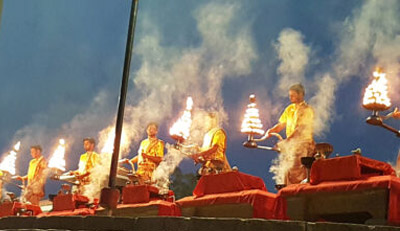
Puskar ‘the Temple Town’ is as ancient as the Ramayana and of great religious importance to Hindus. However most of the temples only date back to the 18th century as most were destroyed during the Mughal Empire by Aurangzebs armies. It is nowadays famous for the annual camel fair which brings camel traders to the town at the time of Kartik Purnima (late October/November)
Places to visit:
Brahma Temple ( Jagatpita Brahma Mandir)
Pushkar lake – though beware of the pushy spiritual con artists performing fake puja on the ghats.
Savitri Mata Temple and Sunset point – it takes approx. 30 mins to walk up the steps to the top of the hill, alternatively take the cable car ride.
Camel Fair
3.Jodhpur
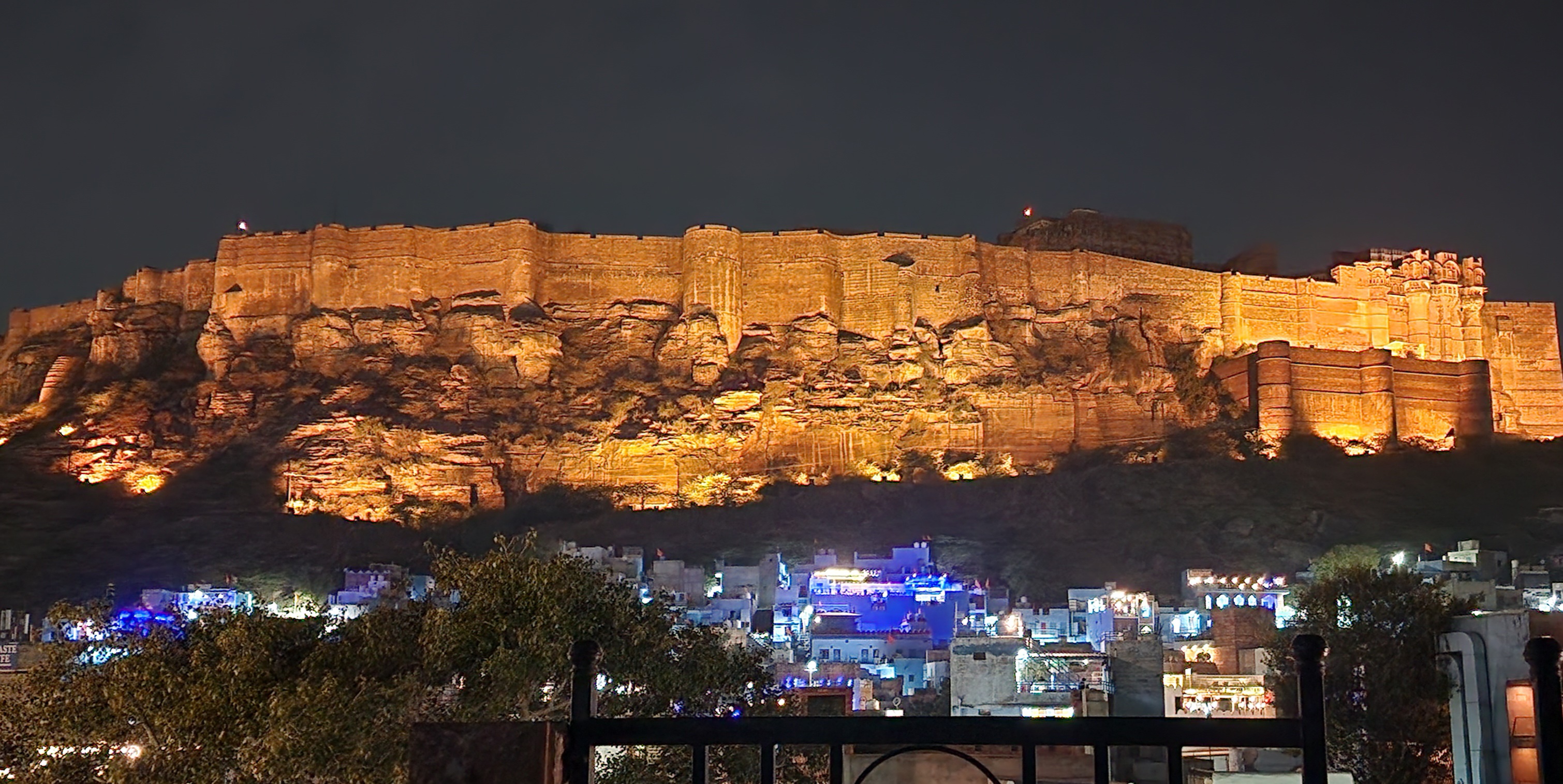
Jodhpur is also known as the ‘Blue City’ and was founded in 1459 by the Rajput ruler Jao Jodha, it’s location being of strategic importance along the trading route between Gujurat and Delhi where traders carrying dates, silk, opium, sandalwood and copper travelled. Places to visit:
Mehrangarh Fort – Built in 1459 by Rajput ruler Rao Jodha although most of the existing structure is of the 17th century. It is believed that the foundations could not be laid until a human sacrifice was buried alive beneath them, and when the King failed to find a savior a nobleman named Rajoram Meghwal came forward and sacrificed himself to enable the foundations to be laid. There are 7 gates to enter the fort, most fascinating is Loha Pol(Suraj Pol where you can see a commemoration of the 15 handprints of 15 women who committed sati. The last sati at the fort was in 1843
Toorji-Ka-Jhalra – stepwell built in the 1740’s and still in uses today.
Jaswant Thada – A fabulous white marble cenotaph built in 1899 by Maharajah Sardar Singh as a commemoration to his father. It serves as a cremation ground and the peaceful gardens are a beautiful place for reflection away from the crowds.
4. Jaisalmer
Jaisalmer ‘the Golden City’ – This medieval trading city (founded in 1156AD) in the heart of the Thar desert and dominated by it’s spectacular sandstone fort which rises out of the desert like a giant sandcastle complete with 99 bastions and the Maharajahs palace within its walls.
Places to visit:
. Jaisalmer Fort (Sona Qila)- UNESCO World Heritage Site
Potwan ki Haveli – intricate carvings
Gadisar Lake – boat ride in this oasis of tranquility
Camel Safari
Bada Bagh – sunset point
5. Udaipur
Udaipur ‘City of Lakes’ –
was discovered by Maharana Udai Singh in 1553 and founded by Udai Singh in 1559 after his city of Chittogarh was beseiged by Akbar and became the capital of the princely state of Mewar.
Places to visit:
City Palace – 11 palaces and gardens within this royal complex.

 2. Puskar
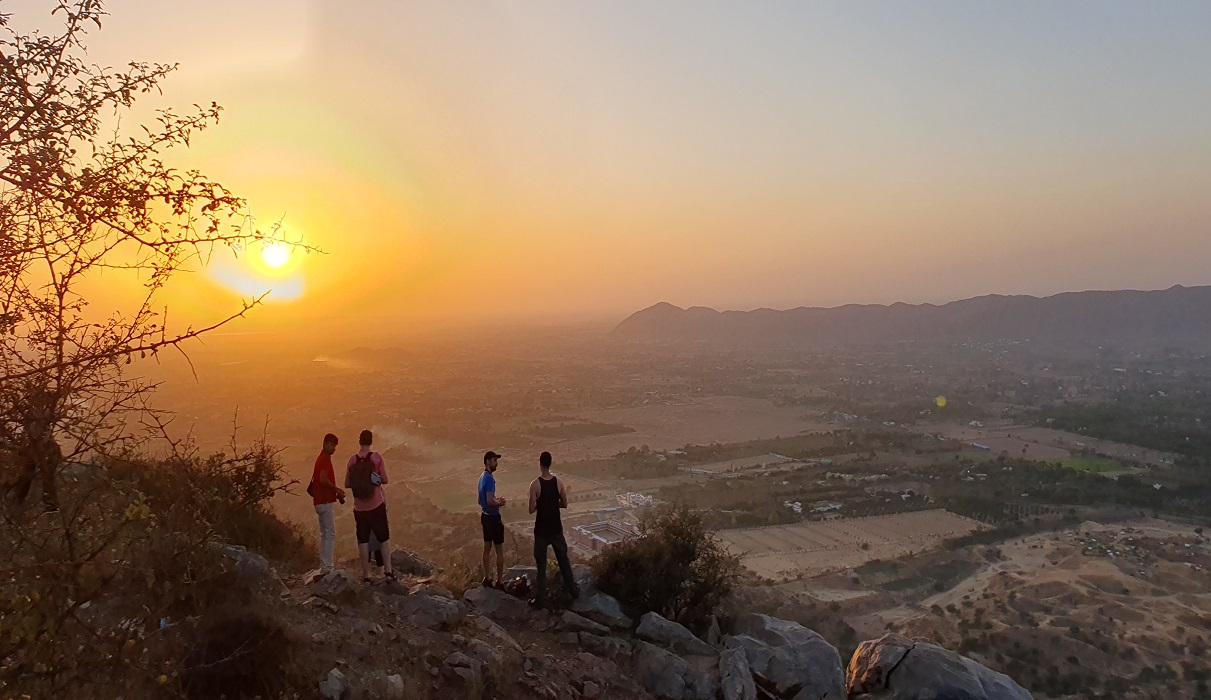 Puskar ‘the Temple Town’ is as ancient as the Ramayana and of great religious importance to Hindus. However most of the temples only date back to the 18th century as most were destroyed during the Mughal Empire by Aurangzebs armies. It is nowadays famous for the annual camel fair which brings camel traders to the town at the time of Kartik Purnima (late October/November)
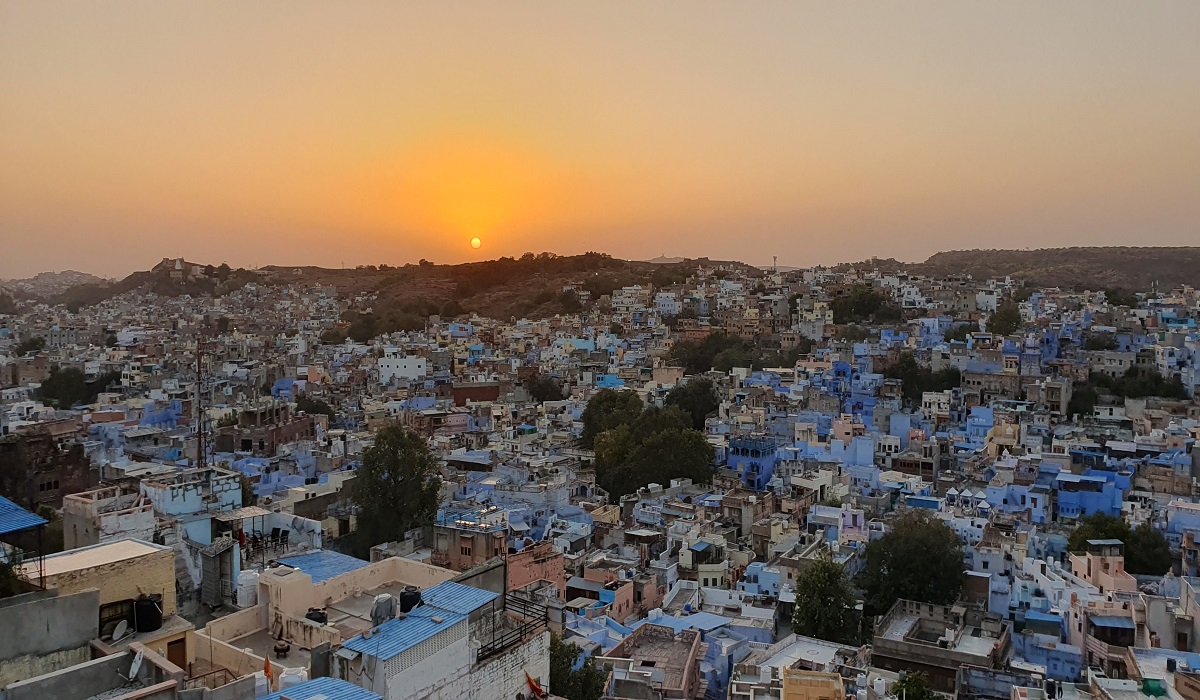 Jodhpur is also known as the ‘Blue City’ and was founded in 1459 by the Rajput ruler Jao Jodha, it’s location being of strategic importance along the trading route between Gujurat and Delhi where traders carrying dates, silk, opium, sandalwood and copper travelled.
 6. Ranthambore
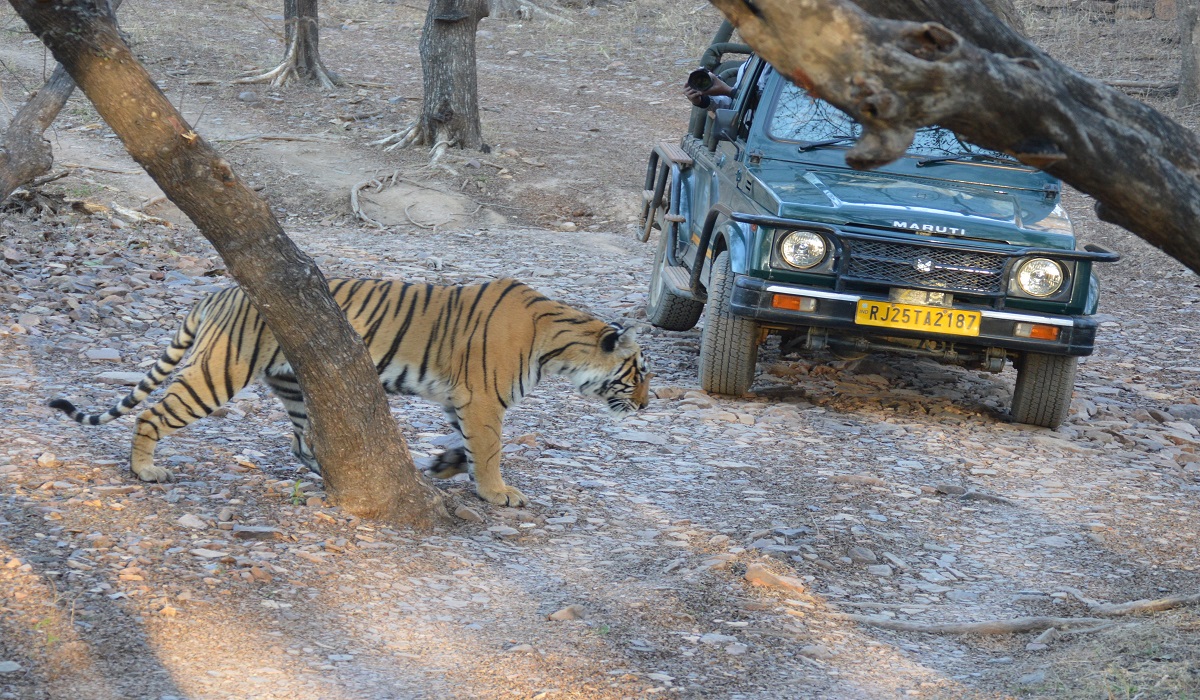 Places to visit: